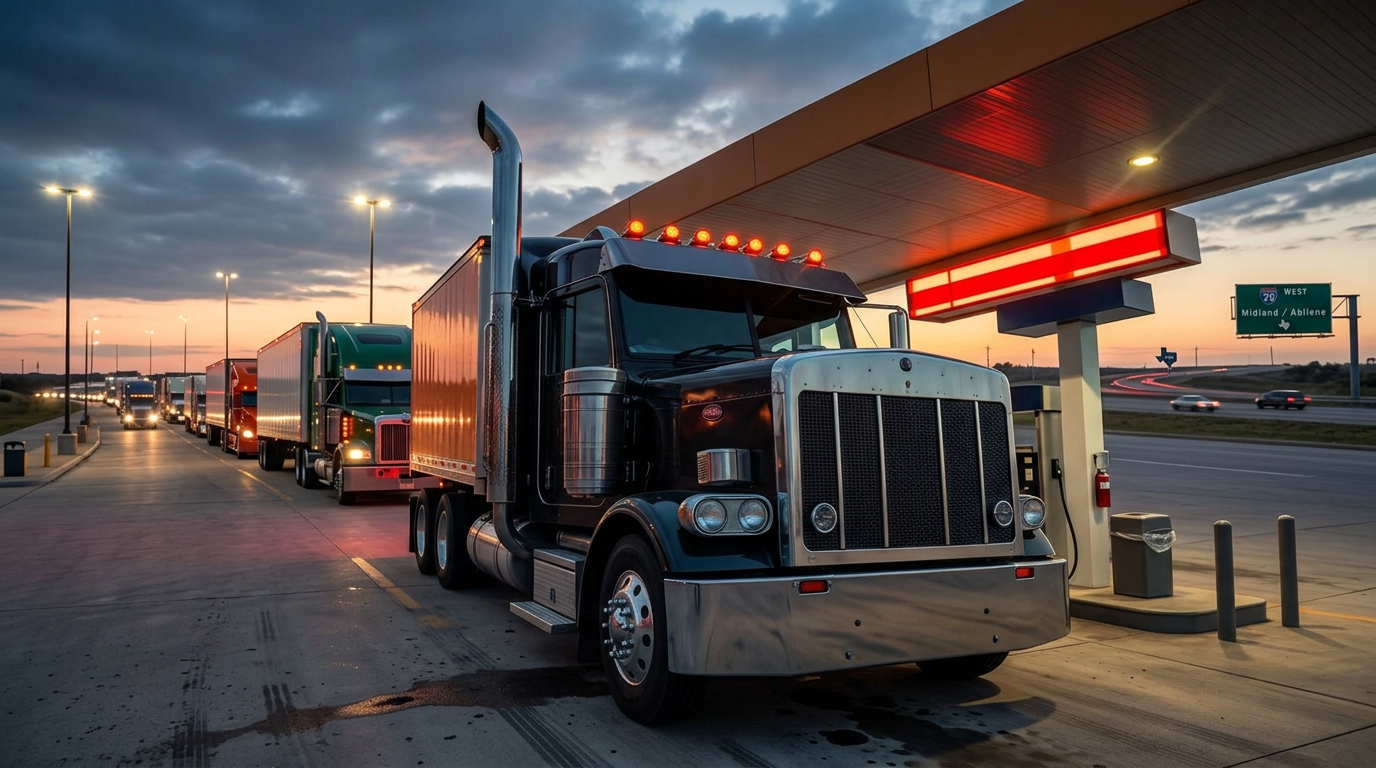
Increase Revenue. Promote Safety.
Deter Crime. Zero Cost.
Tex-Star Parking Systems keeps eyes on your lot 24/7 across Waco, Temple, Belton, Bruceville-Eddy, and Troy. Non-aggressive enforcement clears blocked fuel pumps, entrances, and exits — boosting fuel sales and parking revenue without the cost or risk of towing. Free to the store; paid by the driver.
We respond to congested pumps at any location in under one hour.
See how much your lot is losing
A quick illustration of blocked pumps, blocked scales, unpaid spots and dropped trailers — and the fuel sales we help you recover. Sound on.
Your lot is a business. Not a free hotel.
Blocked Fuel Islands
Drivers shower and sleep while idling at the pump. No fuel sale. No store trip. Pure loss.
Abused Free Parking
Drivers abuse the free parking privilege at truck stops that are courtesy enough to offer it. The rigs sit for months or days while they could be paying storage somewhere else and a driver who needs that spot to sleep for the night can't use it because there is a stored truck with no driver in sight.
Dropped Trailers
Bobtails drop trailers to grab a load — leaving your lot as their free storage yard, blocking sleepers.
See how much fuel revenue you recover when lanes keep moving.
Every minute a pump is blocked is a fuel purchase that never happens. Industry data shows a blocked island can cost up to $700 per 30 minutes in lost fuel sales. Use this calculator to see the revenue you keep by clearing trucks faster.
Purpose-built enforcement for truck stops.
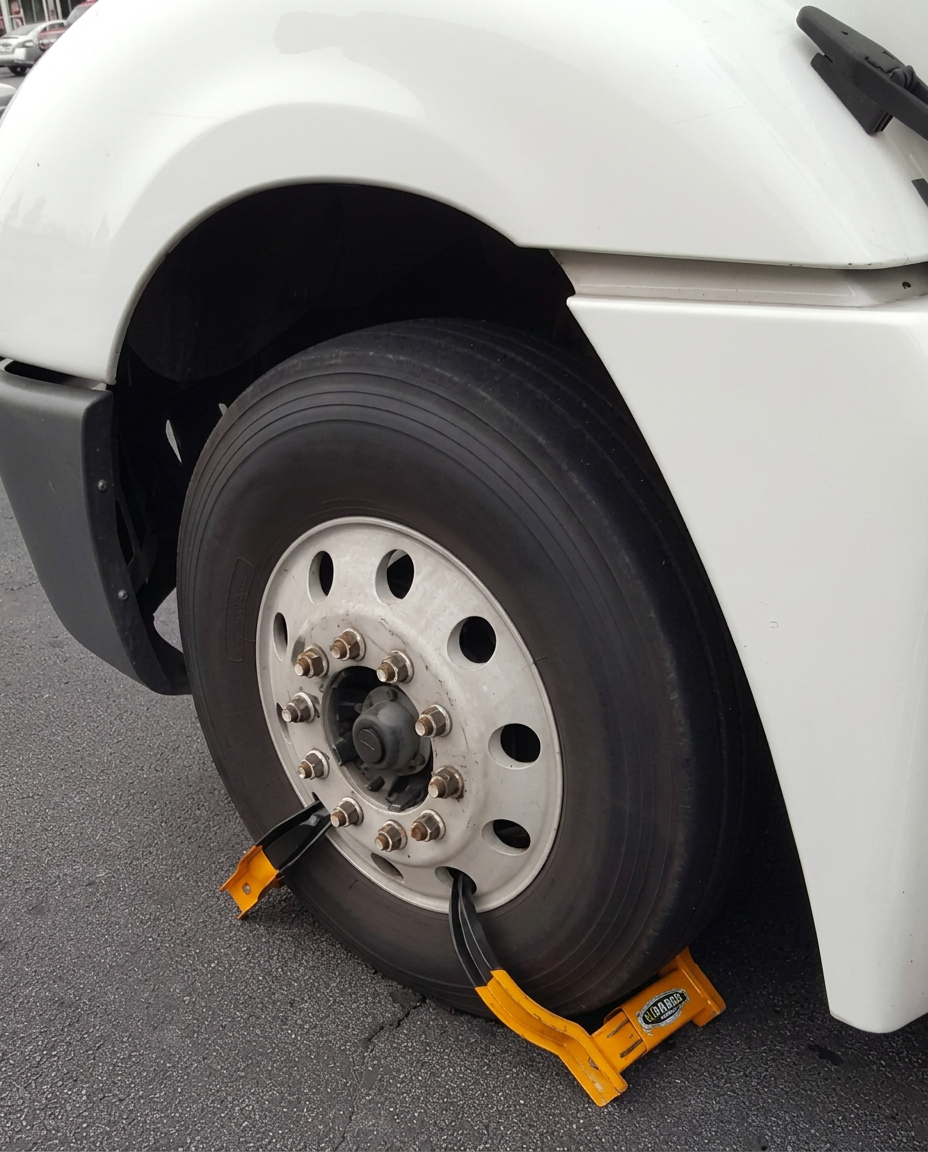
Semi-Truck Immobilization
Heavy-duty tire boots on rigs blocking fuel islands, scales, paid spots and entrances/exits. We get the rig moved and the pump back in service so your fuel lanes keep producing revenue.
- Fast acting deterrent
- Time stamped photos of the violation
- Fully insured by a $1m dollar policy.
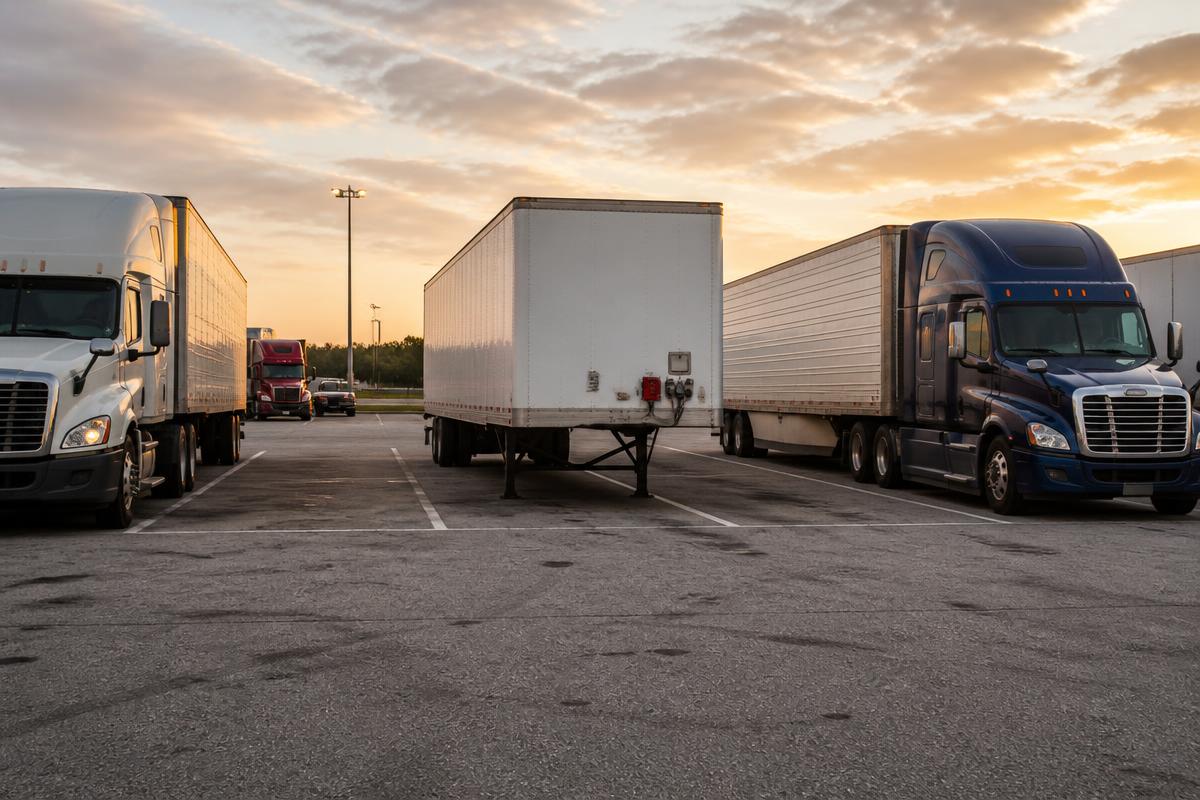
Dropped Trailer Revenue Recovery
Trailers dropped in your lot without permission get a glad-hand lock on the air brake line. We build a custom payment portal so the driver pays a separate parking penalty directly to the store before the trailer is released. That turns a dropped trailer from a tow-company payday into real revenue for your store — because every occupied slot is a slot a paying driver could have used to sleep, buy a shower, a meal, and a tank of fuel.
- Custom driver payment portal designed by us for you
- The driver pays the store then pays Tex-Star to remove the lock
- Daily penalties charged to drivers who drop trailers
- Instead of tow companies getting paid now you can get paid
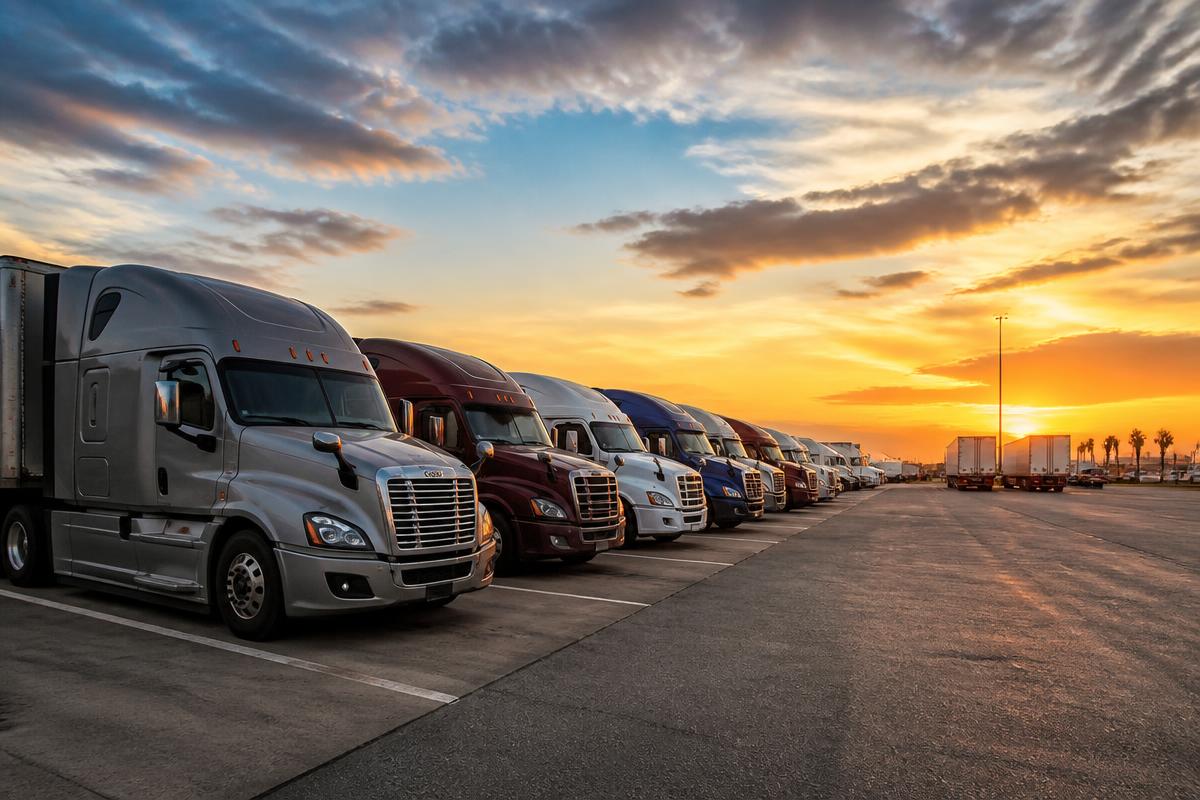
Paid Parking Enforcement
Rigs parked in your paid spaces without paying get booted on the spot. The store keeps every dollar of the paid parking fee. The driver pays Tex-Star Parking Systems directly on-site for boot removal before the boot is released.
- Instant boot for non-payment instead of towed, giving away money
- Store keeps all paid parking fees before boot is removed
- Driver pays Tex-Star on-site for boot removal
- Time stamped photos to ensure the store is paid for their spot
Boot, announce, clear — under 30 minutes.
When a truck is booted at a fuel pump, our operator immediately notifies the cashier. The cashier annouces on the loudspeaker and calls the driver back to their rig. That direct prompt gets them moving fast — turning a typical hour-long stall into a sub-30-minute resolution.
Boot Applied
Operator immobilizes the rig and documents the placement with photos and GPS.
Cashier Alerted
We notify the cashier instantly so they can announce the booted vehicle over the loudspeaker.
Driver Returns & Pays Tex-Star On-Site
The store keeps the paid parking fee. The driver pays Tex-Star Parking Systems directly on-site for boot removal. The boot comes off and the pump clears — usually in under 30 minutes.
Blocked lots aren't just costly — they're dangerous.
Fire Lane Violations
Rigs across entrances block fire trucks and EMS. That's a code violation and a liability nightmare.
Blocked-In Fuel Lanes
Trucks parked in front of trucks fueling and behind trucks fueling leave drivers trapped in the fuel area. Drivers getting out to go inside and eat while they wait for the line to move makes it worse — now there is a blocked-in truck inside the fuel area, if not several trucks blocked in the fuel area.
Trapped Sleeping Drivers
Trucks parked in front of resting drivers who then wake up to an empty truck blocking their way to work.
Blocked Scales
When trucks park on or in the way of the scales, drivers cannot weigh their load to check axle weights and gross weight for DOT regulations. That forces them to roll out overweight or wait, which costs both the driver and the store. In one 30 minute break 3-5 trucks could weigh in that time.
Trucks blocking entrances and exits.
When a rig parks across your driveways, it becomes more than a nuisance. It turns your lot into a single-point-of-failure for safety, traffic flow, and revenue.
Emergency Access Blocked
A semi parked across an entrance or exit can stop fire engines, ambulances, and law enforcement from reaching the fuel island or building in an emergency.
Pedestrian & Vehicle Conflicts
Other rigs and passenger vehicles get funneled into narrow paths around the parked trucks, raising the chance of a strike in a busy lot.
Turned-Away Customers
A blocked exit forces drivers to reverse or detour. Many will simply leave and fuel at the next truck stop down I-35. And there are plenty.
Fire & Propane Hazards
Trucks parked blocking fire hydrants, parked near propane tanks, and most of the time left unattended — sometimes for days.
Truckers are already telling you the problem: blocked pumps, boxed-in rigs, paid spots, prime parking skipped, blocked exits and scales.
Publicly posted complaints from professional drivers up and down I-35. Every one of these incidents — including paid parking abuse, prime parking skipped by non-paying trucks, and predatory tow damage — is a call Tex-Star can answer.
Same trucks park in the prime spots every night and never pay. Drivers who actually paid for the space show up and there's nowhere left for them to go.
Blocking Fuel Pumps
Drivers park at the island, then walk off to eat, shower, or sleep — every rig behind them waits.
Why can't you jerks who park your trucks at the fuel island, then go in the restaurant, sit and eat, or take a shower… move your truck so others can get fuel!
FUEL OR GET OUT!! If you want a fast-food order… go park!
Blocking Trucks In
Boxed-in rigs can't roll — ELD clocks tick & loads run late.
Got blocked in at my slot, no one was with the truck and it was off, I lost a load that day because i ran out of time. It took an hour to track down the driver who was in the store shopping and had just picked up breakfast.
What a cluster! The lot is a MESS! I won't ever be coming back.
Pretty much the same with every truck stop from San Antonio to Dallas. I-35 is a menace in general.
Paid Spots
Drivers pay for a reserved space, then find a non-paying sleeper already parked there — and staff won't do anything.
Paid for a reserve spot at [major truck stop]. Get here — all reserve spots full. They are not allowed to get unpaid trucks out of reserved parking or even go knock on their door. What is the point of paid parking? I want a refund, I had to pay somewhere else to sleep.
12 of the last 14 times we reserved a spot, upon arrival all the reserved spots are taken — at least 6 of them are trucks that didn't pay. We have to track down security and watch them try to get drivers to move.
Why are people parking for free in the paid parking spots and the truck stop does nothing about it, even when the paid parking is full and prepaid reservations show up?
Prime Parking Skipped
Trucks skip the pay tab for prime parking, while paying drivers arrive to find their reserved spot already occupied.
Paid for a reserved spot, arrived exhausted, and a truck that clearly didn't pay was already parked there. Staff said they couldn't make them move.
Why pay for prime parking when the truck stop lets anybody park there for free? The reserved spots are full of trucks that skipped the pay tab.
The prime spots are taken by trucks that didn't pay the tab. Paying customers get boxed out and the store loses the parking revenue twice.
Blocking Exits & Scales
One rig across a driveway or the scale lane stops everyone — emergency vehicles included.
The lot is full. You circle for 20 minutes. No spots… You end up parking on an off-ramp. Unsafe. Illegal. But you have no choice.
Trucks parked in front of the scale, on the exit, everywhere but a real spot. You can't even weigh out.
Blocking the exit at a truck stop is a fire-lane violation. Nobody enforces it and everyone pays for it.
$3,000 boot charge, $1,500 tow… Damaged the trailer and they are refusing to release it until we send someone in to make the repair.
Quoted excerpts are used for commentary and attributed to their original public source. Names and locations of individual reviewers are not reproduced. Some quotes are paraphrased composites of recurring driver complaints on public forums.
Common questions about boot enforcement.
Straight answers about how Tex-Star protects your lot, your pumps, and your revenue.
Do your employees stay with the truck that has been booted at the fuel pump?
Yes. Our employees stay on site the entire time a vehicle is booted. We never leave a truck unattended in a fuel bay. That constant presence keeps the pumps moving and the driver accountable.
Why boot instead of tow?
Booting is fast. We can immobilize a truck and have the driver notified in minutes. A tow truck can take an hour or more to arrive, and during that hour the pump, entrance, or exit is still blocked. Booting turns most incidents into sub-30-minute resolutions and keeps the lanes moving.
Does an on-site booting presence really reduce crime and violations?
It does. A visible enforcement presence on the property deters unauthorized parking, trespassing, and lot crime before it happens. Drivers know the lot is watched, so they follow the rules instead of testing them.
How do drivers pay to have the boot removed?
The store keeps every dollar of the paid parking fee. The driver pays Tex-Star Parking Systems directly on-site for boot removal. Tex-Star handles the entire release, and the driver must settle with Tex-Star before the boot comes off.
What areas do you cover?
We serve truck stops along the I-35 corridor in Central Texas, including Waco, Temple, Belton, Bruceville-Eddy, and Troy. We respond to congested pumps at any location in under one hour.
Are your operators insured and trained?
Yes. Every Tex-Star operator is trained in safe boot placement, documentation, and customer interaction. We are licensed and insured so the truck stop is protected while enforcement is underway.
Central Texas, I-35 corridor.
Locally owned. Locally dispatched. Our operators live and work the same corridor your truckers roll through.
Take back your lot.
Contract Tex-Star Parking Systems and start recovering lost revenue this week. Signage, dispatch, and enforcement — handled.